
PDA International Conference

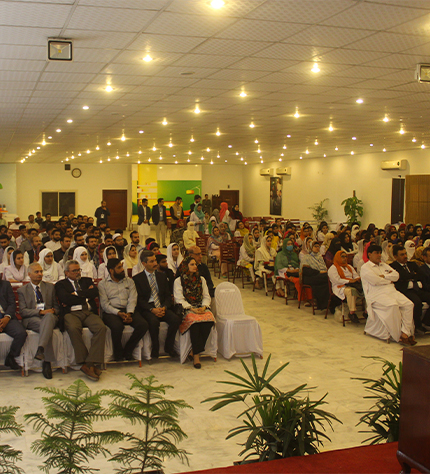
PDA International Dental Conference 2025
Join us for Pakistan’s largest dental gathering at Expo Center, Lahore from 26–28 December 2025. Experience three days of cutting-edge research, live workshops, scientific sessions, and networking with global dental experts.
Discover the future of dentistry through innovation, technology, and collaboration — all under one roof. Don’t miss this opportunity to connect with leaders shaping modern dentistry.





Event Schedules
Pre-Conference Plenary
-
Complications of Fixed Prosthodontics
Dr. Mohsin Ali
11:00 – 11:30
Conference Opening Plenary
-
Opening Session
Dr. Mohsin Chaudhry -
Differential Diagnosis in Orofacial Pain: A Patient-Centered Approach
Dr. Hamad Al Balgeah
Opening Ceremony
General Dentistry Session I
- An overview of endodontics for general practitioners
Dr. Shahid Mehmood - Managing endodontic emergencies
Dr. Rubab Sherazi - Latest methods of BDRs removal
Dr. Arshad Malik - Separated file removal — Myths & Misconceptions
Dr. Arshad Hassan - Anatomical Variations of Second Molars
Dr. Irfan Maqbool - Digital Guided Implant Placement
Dr. Kashif Hafeez - Body–Mouth Connection: Periodontitis & Systemic Health
Dr. Kashif Ikram
General Dentistry Session II
- Digital era in paediatric dentistry
Dr. Miraat Anser - Pediatric dentistry — 30 years on
Dr. Noeen Arshad - Contemporary Bonded Restorations
Dr. Salman Ashraf - Dental Ceramics — Aesthetic & Functional Demands
Dr. Rashid Habib
Lunch & Prayer Break
General Dentistry Session III
- Maxillofacial Surgery — Lessons from Each Fall
Dr. Jawad Kundi - Lecture
Ghulam Rasool - Lecture
Irfan Qureshi - Lecture
Tariq Ali Khan - Retainers & Inadvertent Movements
Dr. M. Azeem
General Dentistry Session III
- Oral Health Care for Marginalized Communities
Dr. Ambrina Qureshi - The Smart Side of Forensic Dentistry
Dr. Samiya Riaz - Laser Dentistry in Everyday Practice
Dr. Waqas J. Malik - ABC Smile Makeover
Dr. Affan Saghir - The Role of GDPs in Patient Care
Dr. Rashid Mehmood - Running a Dental Practice
Dr. Sarooj Hanan - Digital Marketing for Dental Professionals
Badar Khushnood
Student Session I – Oral Presentations
- Oral Presentation 1
Student Speaker - Oral Presentation 2
Student Speaker - Oral Presentation 3
Student Speaker - Oral Presentation 4
Student Speaker - Oral Presentation 5
Student Speaker - Oral Presentation 6
Student Speaker
Specialty Session V – Operative Dentistry & Endodontics
- Microscope Visualization & CBCT in Maxillary Molar Management
Dr. Usman S. Fazli - Mobile Dental Photography, Composites & Marketing
Dr. Jazib Memon - Innovations in Operative Dentistry & Endodontics
Dr. Fariha Naz - Navigating Iatrogenic Errors
Dr. Asfand Ali Khan
Lunch & Prayer Break
UG Quiz Competition (Final Round)
Award Distribution & Closing Ceremony
Student Competitions
- Overview
- Guidelines for Poster Competition
- Guidelines for Oral Presentations
- Guidelines for Undergraduate Table Clinic Presentations
- Guidelines for Undergraduate Quiz Competition
Themes for Competitions
All themes relevant to General Dental Practice and community oral healthcare starting from managing and working in a dental clinic to prevention, communication, diagnosis, management and follow up care both for adult and paediatric patients also encompassing emergencies, ethics, professionalism, and role of aesthetics and digital technology in delivering personalized human centered holistic oral healthcare.
📆 Submission Deadline: 15th December
📩 Submit via Email: saimachaudhry@iadsr.edu.pk
Guidelines for Poster Competition
Eligibility and Registration
- Student Status: Participants must be currently enrolled as undergraduate or postgraduate dental students at a recognized institution.
- Abstract Acceptance: Participation in the poster competition is subject to the prior acceptance of a submitted abstract.
- Conference Registration: All presenting authors and team members must be registered for the conference by the specified deadline.
- Team Size: A team may comprise a maximum of 2-4 members.
- Poster Content: The poster must present recent trends in any area of dentistry. The posters based on research and those based on case reports are encouraged. Case reports should outline the unique features and special interest of the case.
Content and Structure
The poster should be a visual presentation of your accepted abstract and include the following mandatory sections:
- Title: Must be identical to the accepted abstract title.
- Authors & Affiliation: Full names of all authors, their respective departments, faculty, and institution(s).
- Introduction/Background: A brief background followed by a clear statement of the problem.
- Methods: A concise discussion of the data sources, materials, techniques, data collection, and statistical methods used, whichever is applicable to the poster.
- Results: Clear presentation of the findings using easy-to-read tables and graphs.
- Conclusion: A summary of significance of the take home messages.
- Keywords: A short list (usually 3-6) of key terms.
- Main References: A brief list of primary sources (often using the Vancouver style).
Format and Design
|
Aspect |
Recommendation/Standard |
|
Language |
Posters must be in English. |
|
Dimensions |
Vertical/Portrait format (36 x 48 Inches) |
|
Layout |
The material must be organized into logical sections with clear headings to guide the viewer. |
|
Readability |
Font Size: Text must be clearly legible from a distance of at least 5-6 feet. Headings can be up to 40pt, and body text should not be less than 24pt. |
|
Visuals |
Use high-resolution photographs, graphs, and charts. Avoid humorous or inappropriate pictures. |
|
Word Count |
Keep text concise. A total word count of 800-1000 words or less is ideal for a poster. |
|
Printing |
The poster will be presented as e-poster. There is no need to print it. |
Presentation and Judging
- Display Time: The poster must be displayed on the assigned board for the duration specified by the organizers.
- Presentation Time: The presenting author is required to be present at their poster board within 7 minutes. .
- Knowledge: You must be knowledgeable in your subject and ready to defend your findings and methodology.
-
Judging Criteria: Judging is typically based on:
- Scientific Merit/Accuracy of the content.
- Originality and Relevance to dental science.
- Clarity and Organization of the poster layout.
- Quality of Discussion and response to judges' questions.
- Decision: The decision of the judging panel will be final.
Guidelines for Oral Presentations
The Oral Presentations will be purely Research Based
Eligibility and Registration
- Student Status: Participants must be currently enrolled as undergraduate or postgraduate dental students at a recognized institution.
- Abstract Acceptance: Participation in the poster competition is subject to the prior acceptance of a submitted abstract.
- Conference Registration: All presenting authors and team members must be registered for the conference by the specified deadline.
- Presenting Author: A research team may comprise of multiple members but there can be just on presenting author.
Presentation Logistics
|
Aspect |
Standard Rule/Recommendation |
|
Duration |
Typically 7-8 minutes for presentation, followed by 2-3 minutes for Q&A from the judges/audience. Strict adherence to time is mandatory. |
|
Language |
The presentation must be delivered in English. |
|
Format |
Use Microsoft PowerPoint (.pptx) format. Pre-uploading the presentation file is usually required before the session day. |
|
Technical Setup |
The conference generally provides a laptop, LCD projector, and a lapel/lavalier microphone. Presenters are usually NOT allowed to use personal laptops to avoid technical delays. |
|
Attendance |
The presenting author must be present in the session room at least 15 minutes before the session starts to check their slides and connect with the session chair. |
Slide Content and Structure
The presentation should be a visual and oral delivery of your accepted abstract and is typically structured as follows:
- Title Slide: Title of the study, full names of all authors, their respective departments, faculty, and institution(s). Include any required conflict-of-interest disclosures on this slide or a dedicated subsequent slide.
- Introduction/Background (1-2 slides): Briefly establish the clinical/scientific context and clearly state the research question, aim, or hypothesis.
- Materials and Methods (2-3 slides): Detail the study design, materials, participants/samples, data collection procedure, and statistical analysis used. Use simple diagrams or flowcharts if complex.
- Results (3-4 slides): This is the core of the presentation. Present your findings clearly using tables, graphs, and high-quality images. Do not simply display raw data; summarize the key outcomes.
- Discussion (1-2 slides): Interpret your results, compare them with previous literature, and discuss the clinical significance or impact of your findings.
- Conclusion (1 slide): A clear, concise statement summarizing the main finding and its relevance.
- Acknowledgments (1 slide): Thanking any research sponsors, funding bodies, faculty supervisors, or co-authors not listed.
- Q&A Slide: A simple slide to conclude and invite questions.
Design and Readability
|
Guideline |
Detail |
|
Font Size |
Use a large font size for visibility from the back of the room (e.g., minimum 20-24 point for body text and 30+ for titles). |
|
Slide Density |
Limit the number of slides (e.g., max 10-12 slides for a 10-minute presentation, aiming for about 1 minute per slide). |
|
Text Usage |
Use bullet points and keywords; avoid long sentences or paragraphs. Limit to a maximum of 5-6 bullet points per slide. |
|
Visuals |
Use high-resolution, professional images and charts. Maintain a high contrast (e.g., dark text on a light/white background). Avoid using red/green together in graphs due to color blindness. |
|
Consistency |
Maintain a consistent font style, size, and color scheme throughout the entire presentation. |
Presentation Delivery and Judging
- Practice and Timing: Rehearse your presentation multiple times to ensure you stay within the strict time limit. Practice speaking clearly, confidently, and at a steady, appropriate pace.
- Engagement: Maintain eye contact with the audience (and judges). Do not read directly from the screen or your notes. Use the laser pointer sparingly and strategically.
- Oratory Skill: Speak clearly, project your voice (the microphone is key), and use a professional, engaging tone. Avoid using filler words like "um" or "like."
- Q&A Session: Listen carefully to the question. If you don't understand, politely ask for clarification or repetition. Answer truthfully and professionally. If you don't know the answer, politely state, "That is an excellent question that is beyond the scope of our current data, but we plan to investigate it in our future research."
-
Judging Criteria: Judges typically score based on:
- Scientific Merit and Originality of the research.
- Clarity of Objectives and Methodology.
- Quality of Slides and Visual Aids.
- Clarity, Confidence, and Timing of the verbal presentation.
- Ability to Answer Questions and defend the research.
Guidelines for Undergraduate Table Clinic Presentations
Concept and Eligibility
- Definition: A Table Clinic is a small, tabletop presentation that focuses on a specific, practical technique, case management concept, innovative idea, or research finding. It is highly visual, often involving models, instruments, equipment, or patient demonstrations (if allowed and pre-approved).
-
Eligibility:
- Participants must be currently enrolled undergraduate dental students.
- The clinic must be based on a topic relevant to modern dentistry.
- Prior acceptance of an abstract is mandatory.
- Team Size: A maximum of three to four students should present the clinic at the table
Time and Setup
- Duration: The official presentation time slot is typically 10 minutes for the clinic demonstration and interaction, with an additional 5 minutes for transition/setup. The same clinic may be presented multiple times to different groups or judges throughout the session.
-
Equipment Provided: Organizers typically provide:
- A standard tabletop with two chairs.
- A standard electrical outlet.
- Setup Time: Students should arrive at least 30 minutes before the session begins to set up their clinics.
Content and Materials
- Focus: The clinic must focus on a clear, singular theme. It should not be a general review of a large topic.
-
Visual Aids: Visuals are crucial. Use a combination of:
- Models: High-quality dental models, typodonts, or 3D prints to demonstrate techniques.
- Instruments/Materials: Actual instruments, supplies, or materials relevant to the technique being shown.
- Print Materials: A small, professionally designed backboard (similar to a mini-poster, usually 2 x 3 feet, to provide background and conclusions.
- Electronic Media: A laptop or tablet can be used to display slides, short video clips, or high-resolution clinical images. Ensure all media is pre-loaded and tested.
- Handouts (Optional): Small, one-page handouts summarizing the clinic's key takeaways, materials used, and author contact information are highly encouraged.
- Safety and Sterilization: If using actual instruments or simulating procedures, all materials must be clean, sterile, and safe for display. No sharp, contaminated, or biohazardous waste should be present.
Presentation and Judging
- Interaction: The presenter must actively engage with the audience and judges. The presentation should be a dialogue, not a monologue.
- Clarity and Flow: The demonstration should be logical, concise, and easy for non-specialists to follow. Step-by-step clarity is essential.
-
Judging Criteria: Judges will assess the clinic based on:
- Practical Relevance and Innovation: The clinical utility and originality of the technique or idea.
- Clarity of Demonstration: The ease with which the method is understood through materials and delivery.
- Visual Appeal and Quality of Materials: The professional quality and effectiveness of the models, diagrams, and display.
- Knowledge and Command of Subject: The presenter's ability to answer detailed questions accurately and confidently.
Guidelines for Undergraduate Quiz Competition
Eligibility and Team Structure
- Eligibility: All participants must be currently enrolled undergraduate dental students
-
Team Composition:
- Each team must consist of four (4) members.
- All four members must be from the same dental institution.
- No substitution of team members is allowed once the competition has begun.
- Registration: Teams must register by the specified deadline. Maximum of two teams per institution will be allowed
- Designation: Each team must designate one member as the Team Captain before the start of the competition. The Captain is the only person authorized to submit final answers, challenge questions, or communicate with the Quiz Master.
2. Competition Format and Rules
The competition will typically be run in multiple rounds, such as a Preliminary/Written Round followed by a Final/Oral Stage.
A. Preliminary/Written Round (Elimination)
- Objective: To select the top qualifying teams (6 teams) for the Final Stage.
- Format: All registered teams answer a common paper consisting of multiple-choice, fill-in-the-blank, or short-answer questions.
- Duration: 45 minutes.
- Procedure: Teams work together silently to complete the paper. No use of electronic devices, books, or notes is permitted.
- Scoring: Answers are checked by a panel. The top teams with the highest cumulative scores advance to the Final Stage.
B. Final/Oral Stage
The Final Stage will consist of multiple rounds, each with specific rules:
|
Round Type |
Format & Rules |
Scoring |
|
I. Rapid Fire/Starter |
Each team is asked a sequence of 5 questions. Teams are given 15-20 seconds per question. Only the Captain may speak the answer. No passing. |
+10 points for correct answer. 0 points for incorrect or unanswered. |
|
II. Visual Round |
Questions based on displayed images, radiographs, clinical photos, or equipment. Teams write their answer on a provided sheet within 30 seconds. |
+15 points for correct answer. -5 points for incorrect answer. 0 for no answer. |
|
III. Buzzer Round |
Open questions asked to all teams. The first team to press their designated buzzer gets the chance to answer (must wait for the Quiz Master to acknowledge). |
+20 points for correct answer. -10 points for incorrect answer (allows other teams to buzz in). |
|
IV. Case Study Round |
A detailed clinical case history is presented. Teams have 2-3 minutes to discuss, and the Captain presents the diagnosis or management plan. |
+25 points for correct diagnosis/plan. Partial points may be awarded (up to \pm 10 ) at the judges' discretion. |
3. Subject Areas
Questions will be drawn from all core undergraduate dental subjects, including but not limited to:
- Anatomy, Physiology, Biochemistry, Microbiology, Pathology
- Oral Anatomy, Oral Pathology, Oral Medicine, Oral Surgery
- Operative Dentistry (Restorative), Endodontics
- Prosthodontics (Fixed and Removable)
- Orthodontics, Periodontics
- Pediatric Dentistry (Pedodontics)
- Community Dentistry and Public Health
- Dental Materials, Pharmacology
4. Technical Rules
- Electronic Devices: All mobile phones, smart watches, and other electronic communication/reference devices must be switched off and submitted to the invigilator during all rounds. Any violation leads to immediate disqualification.
- Protests/Challenges: Challenges to a question or answer must be raised immediately by the Team Captain before the next question is read. The decision of the Quiz Master and the panel of judges is FINAL.
- Unanswered Questions: If a team provides an incorrect answer in a buzzer round, the question will be passed to the next team that buzzes in.
- Tie-Breaker: In case of a tie for the top rank, a sudden-death buzzer round will be used until a clear win.
Our Registration pricing
Hotel Accommodations
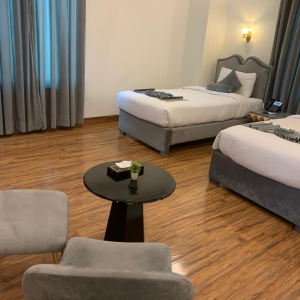
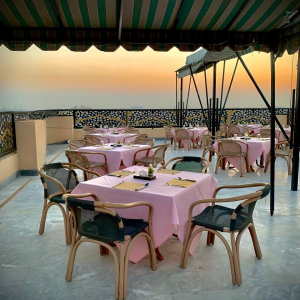
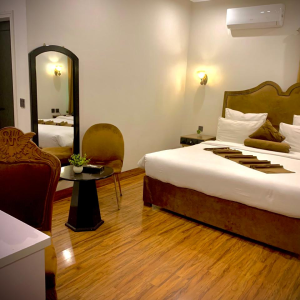
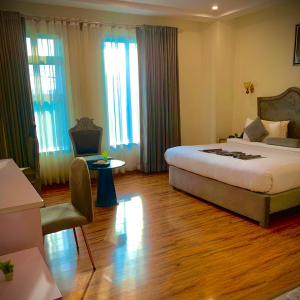
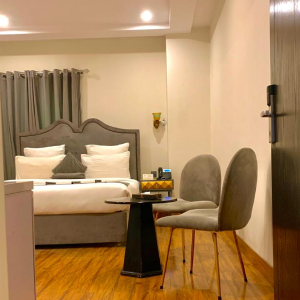
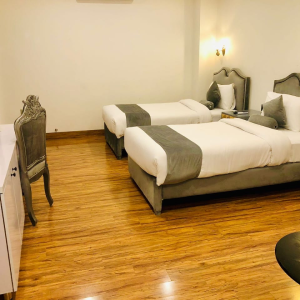
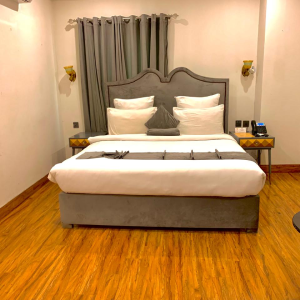
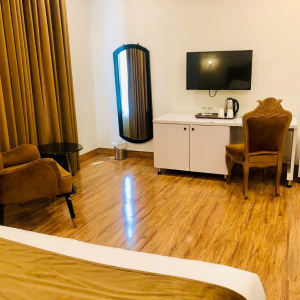
We are pleased to assist all participants and guests of the PDA International Dental Conference 2025 with comfortable and convenient hotel accommodations in Lahore. Multiple hotel options—ranging from luxury to business-class to budget-friendly stays—are available near the Expo Center, Lahore, ensuring easy access to the event venue.
For all accommodation-related information, guidance, or booking support, please contact:
Dr. Edrees Anwar
📞 +92 333 4291905
Dr Imran naseer
📞 +92 300 9478658
Our team will be happy to help you secure the best stay based on your needs and preferences.
Gallery
Hotel gallery
Reserve your Spot
Gallery
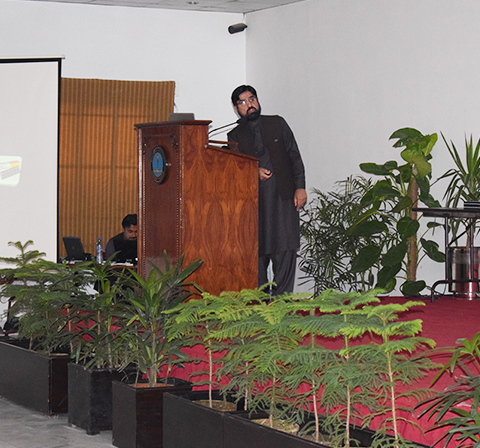
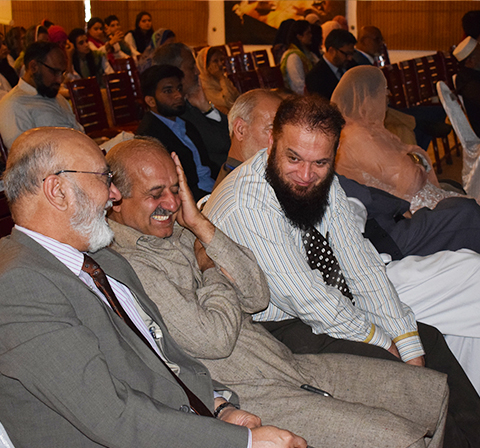
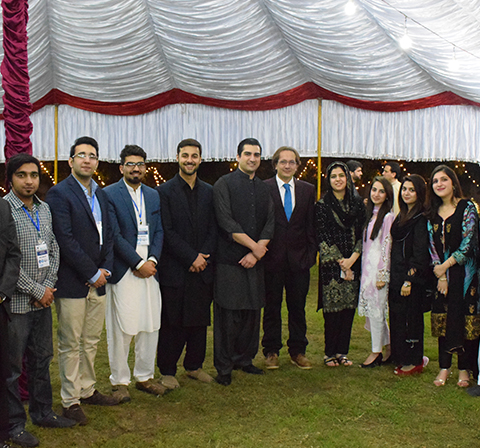
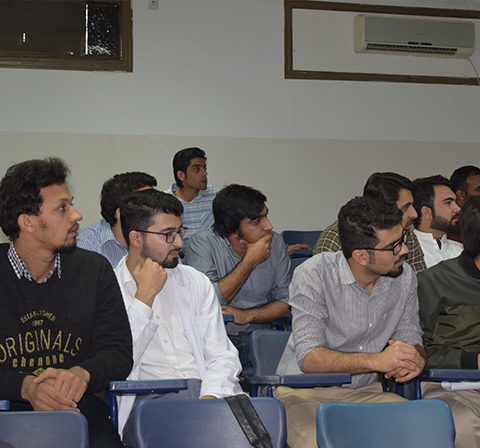
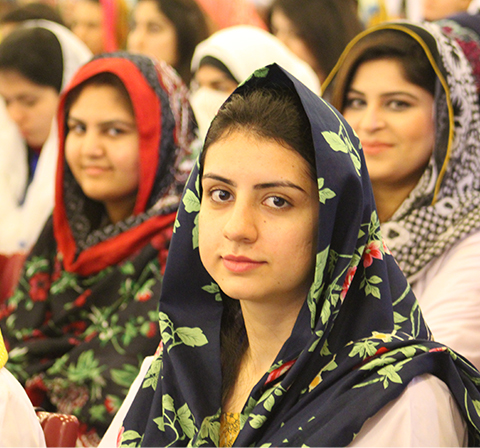
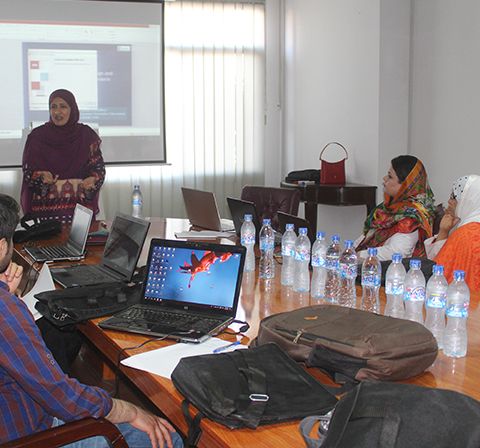
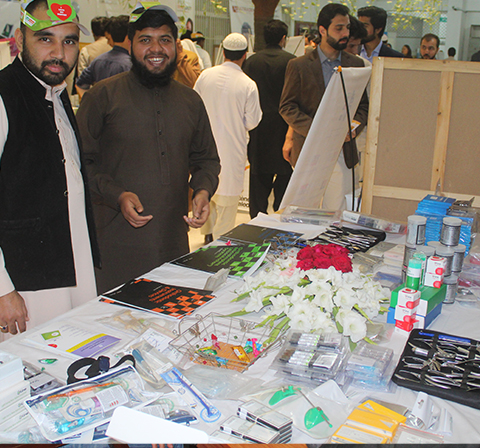
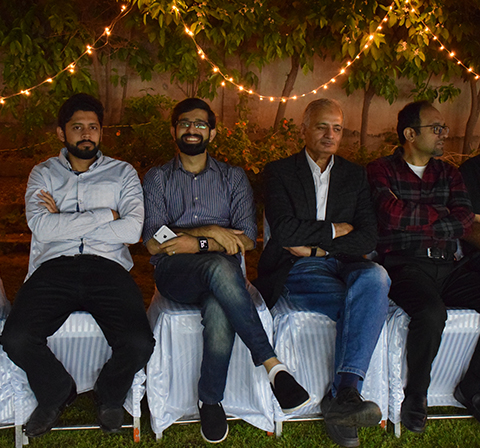
Conference gallery
Our Partners
Academic Partner:

Marketing Partner:

Media Partner:

Our Collaborator






Contact info
Contact Information
- +92 333 4214214
- marketing@iadsr.edu.pk